

CBPS compliance Deadline: Avoid continued penalties or fines by filing your report today!
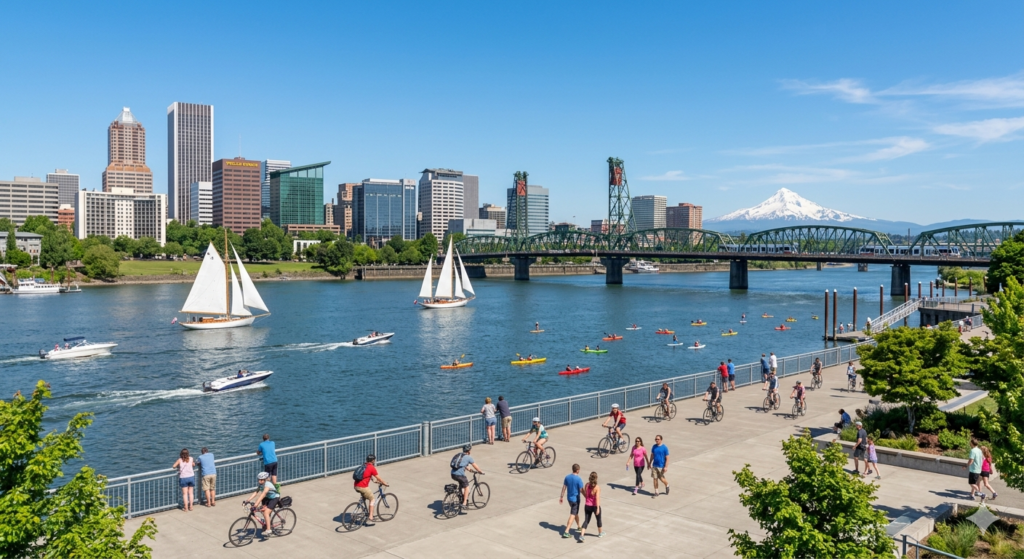
Portland Oregon BPS Compliance Services

Tier 1 Oregon BPS first cohort: June 1, 2028. You have under . See your deadline and next step.
Portland Building Compliance Overview
Portland’s Covered Building Market
- Portland has one of the largest concentrations of commercial office, multifamily, healthcare, and institutional buildings in Oregon.
- Building owners must prepare for statewide Building Performance Standard (BPS) compliance while continuing local energy benchmarking and reporting obligations.
- For many owners, compliance is no longer just about reporting energy usage. It now affects operational planning, capital improvements, tenant expectations, and long-term asset value.

Portland BPS Compliance Services
Services Snapshot
We help Portland building owners manage every stage of Oregon BPS compliance.
Services Grid:
Benchmarking & ENERGY STAR Portfolio Manager
Annual benchmarking, data verification, and reporting setup.
Oregon BPS Compliance Planning
Gap analysis, compliance roadmaps, and reporting support.
ASHRAE Level 2 Energy Audits
Required audit services for buildings projected to exceed EUIt targets.
Building Retrofits & Efficiency Improvements
HVAC, lighting, controls, and electrification upgrade strategies.
Incentive & Grant Support
Application support for ECAPP, BERI, and Energy Trust incentives.
Compliance Deadlines
Commercial buildings over 35,000 sq ft must meet Energy Use Intensity targets established by Oregon BPS.
Over 200,000 sq ft → June 1, 2028
Additional size tiers follow phased deadlines
Commercial buildings from 20,000–35,000 sq ft and multifamily buildings over 20,000 sq ft:
Initial reporting deadline → July 1, 2028
Reporting required every five years
Frequently Asked Questions
What is Oregon BPS compliance?
The Oregon Building Performance Standard (Oregon BPS) is a mandatory program that aims to bring
awareness about building energy use to owners of existing commercial buildings, and to reduce
energy use and utility costs for less efficient buildings.
The State of Oregon adopted new energy performance requirements for commercial and multifamily buildings. These are in addition to Portland’s commercial energy reporting requirements; here is what commercial property owners need to know.
Who is considered a Tier 1 building in Portland?
Do Portland buildings still need city energy reporting?
Yes. Portland owners must continue complying with the City of Portland Commercial Building Energy Reporting Policy while also meeting Oregon BPS requirements.
What is EUIt?
EUIt is the energy use intensity target established by Oregon for specific building types and climate zones.
When do I need an ASHRAE Level 2 audit?
If your Tier 1 building is projected to exceed its EUIt target, you must complete an ASHRAE Level 2 audit at least 180 days before the compliance deadline.
What incentives are available for Portland buildings?
Programs such as ECAPP, BERI, and Energy Trust of Oregon incentives can help offset compliance and retrofit costs.
Let’s Get You Compliant
Avoid Penalties.
Need Help Navigating BERI Incentives?
Our team helps Portland commercial and multifamily building owners simplify Oregon BPS compliance, reduce energy costs, and prepare for future performance requirements.